.jpg)

Philosophy
We translate human behavior into environments that heal, inspire, and evolve with you.
The Science
of Space
Every design decision is grounded in how the body and brain respond: from the calm created by natural materials to the mental clarity shaped by order and flow.
Neuroscience in Design
Our brains are constantly processing our surroundings - color, texture, and light all send signals that shape mood, focus, and emotional balance. Studies show that natural materials lower cortisol levels, warm lighting improves emotional regulation, and symmetry creates a sense of stability. When design aligns with how the nervous system works, spaces can reduce stress, boost creativity, and even improve decision-making.
We design with the brain in mind: crafting environments that feel intuitive, restorative, and alive.
We design with the brain in mind: crafting environments that feel intuitive, restorative, and alive.
Environmental Psychology
Environmental psychology explores how our surroundings influence behavior and emotional well-being. The way a room is arranged can impact how connected we feel, how clearly we think, or how easily we rest. From spatial flow to sensory cues, every detail affects how we relate to ourselves and others.
We use this understanding to create spaces that mirror your emotional needs: helping you find focus where you work, calm where you rest, and presence where you live.
We use this understanding to create spaces that mirror your emotional needs: helping you find focus where you work, calm where you rest, and presence where you live.
Science Meets Design
When neuroscience and psychology come together through design, transformation becomes tangible. Your home becomes more than a physical structure. It becomes an ecosystem that interacts with your emotions, habits, and growth.
Through mindful spatial planning, material choice, and sensory harmony, we design environments that evolve with you.
Balancing science and soul in every detail.
Through mindful spatial planning, material choice, and sensory harmony, we design environments that evolve with you.
Balancing science and soul in every detail.
The
human
connection
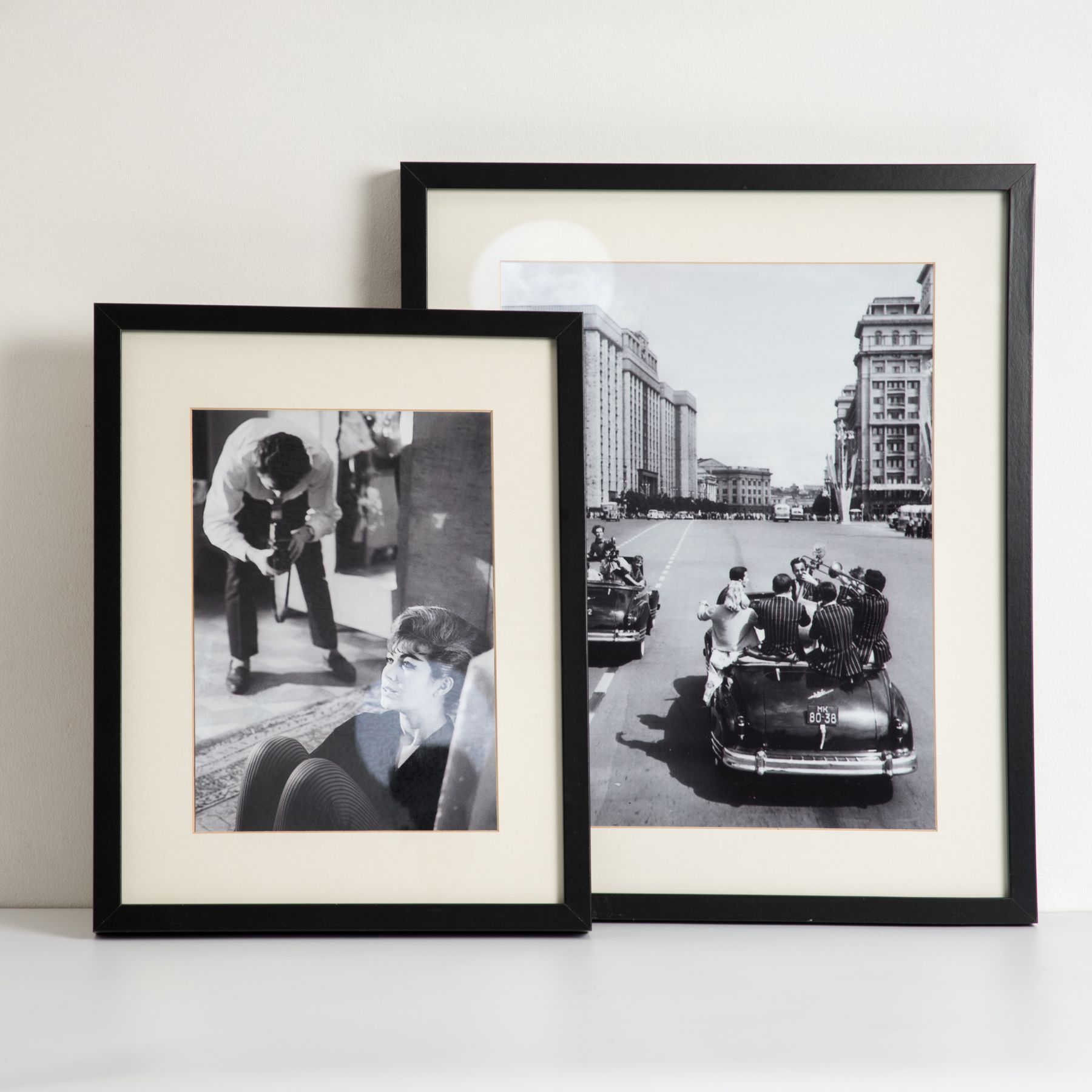
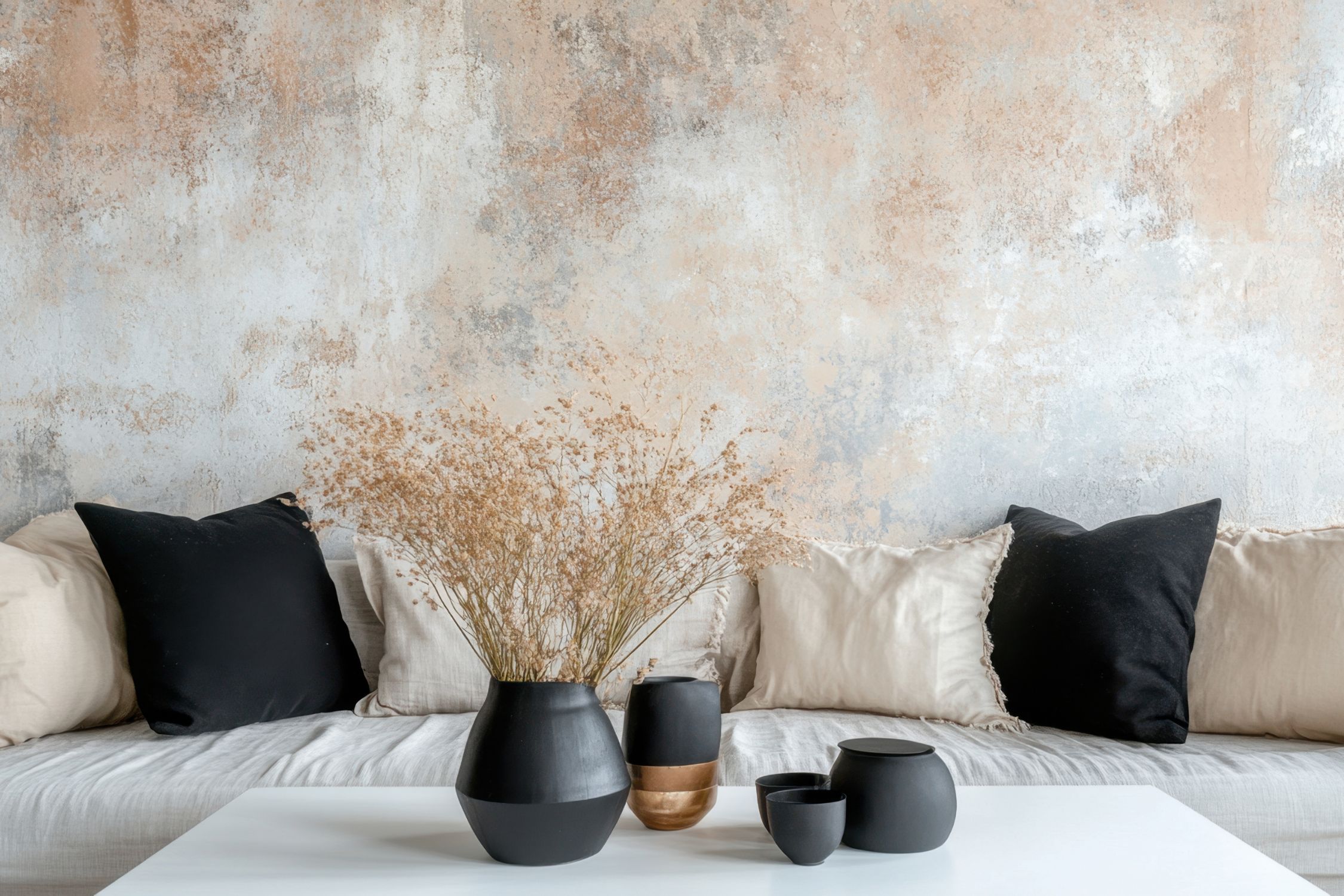
Our surroundings shape how safe, inspired, and connected we feel. Design becomes a language of emotion, belonging, and identity.
Emotional Connection
Home is more than a physical setting. It’s where our nervous system learns what safety feels like. Every color, object, and layout carries emotional associations that tell our brain whether we can rest or need to stay alert.
Design can strengthen emotional security by creating cues of warmth, trust, and familiarity.
When we feel safe in our surroundings, our mind opens to creativity, connection, and growth.
Design can strengthen emotional security by creating cues of warmth, trust, and familiarity.
When we feel safe in our surroundings, our mind opens to creativity, connection, and growth.
Identity & Expression
Our spaces reflect who we are and who we’re becoming. Environmental psychology shows that personalizing a space increases motivation and emotional resilience.
Objects we choose, textures we’re drawn to, and the light we live in all express our inner story.
Design becomes a mirror helping us recognize and reinforce the values that define us.
Objects we choose, textures we’re drawn to, and the light we live in all express our inner story.
Design becomes a mirror helping us recognize and reinforce the values that define us.
Harmony & Relationships
The way we design shared spaces shapes the way we relate to others. From room flow to seating arrangement, small environmental details can either support communication or create distance.
Spaces that balance privacy and connection help us build empathy and presence - at home, work, or within ourselves.
Harmony in our environment nurtures harmony in our relationships.
Spaces that balance privacy and connection help us build empathy and presence - at home, work, or within ourselves.
Harmony in our environment nurtures harmony in our relationships.
the
art of change
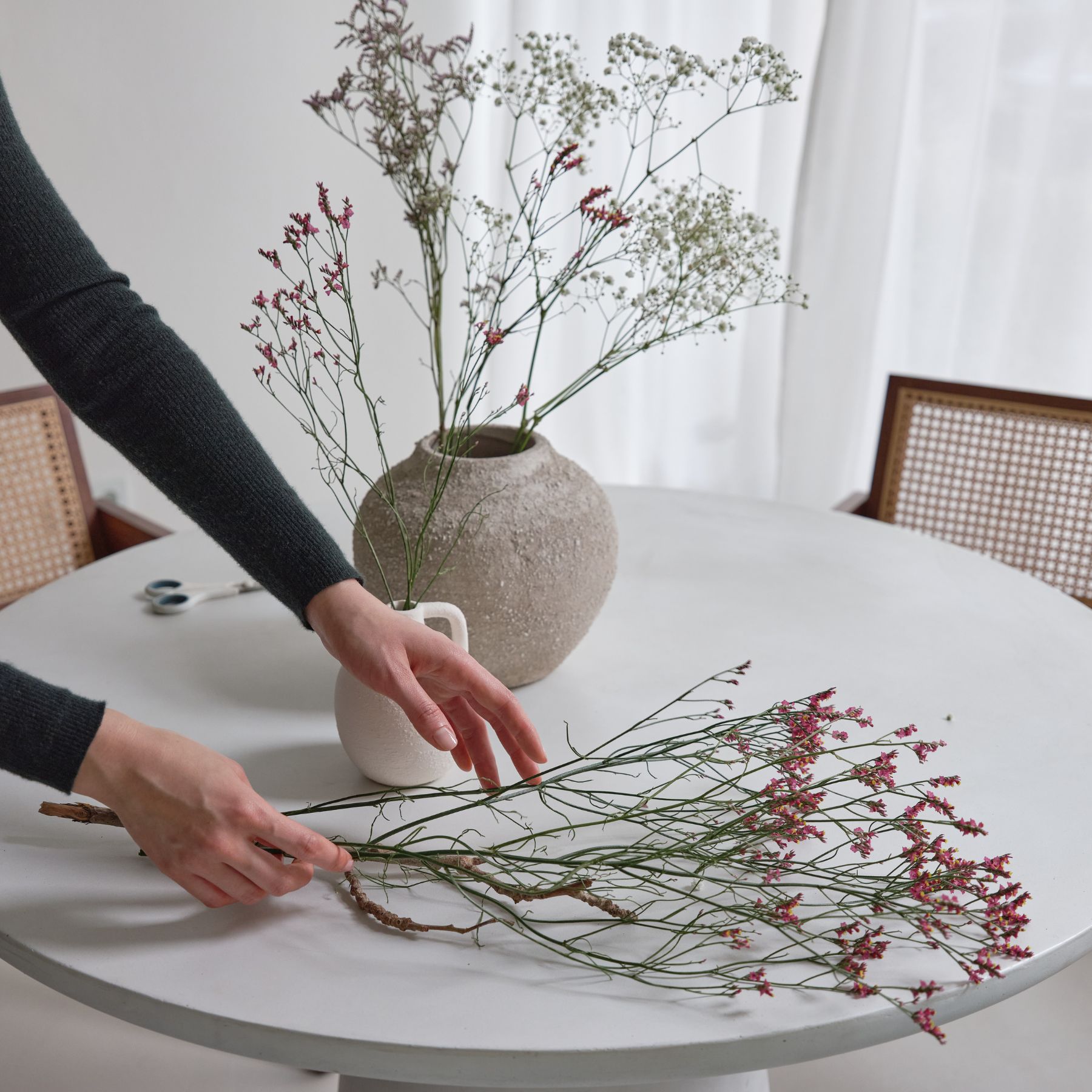
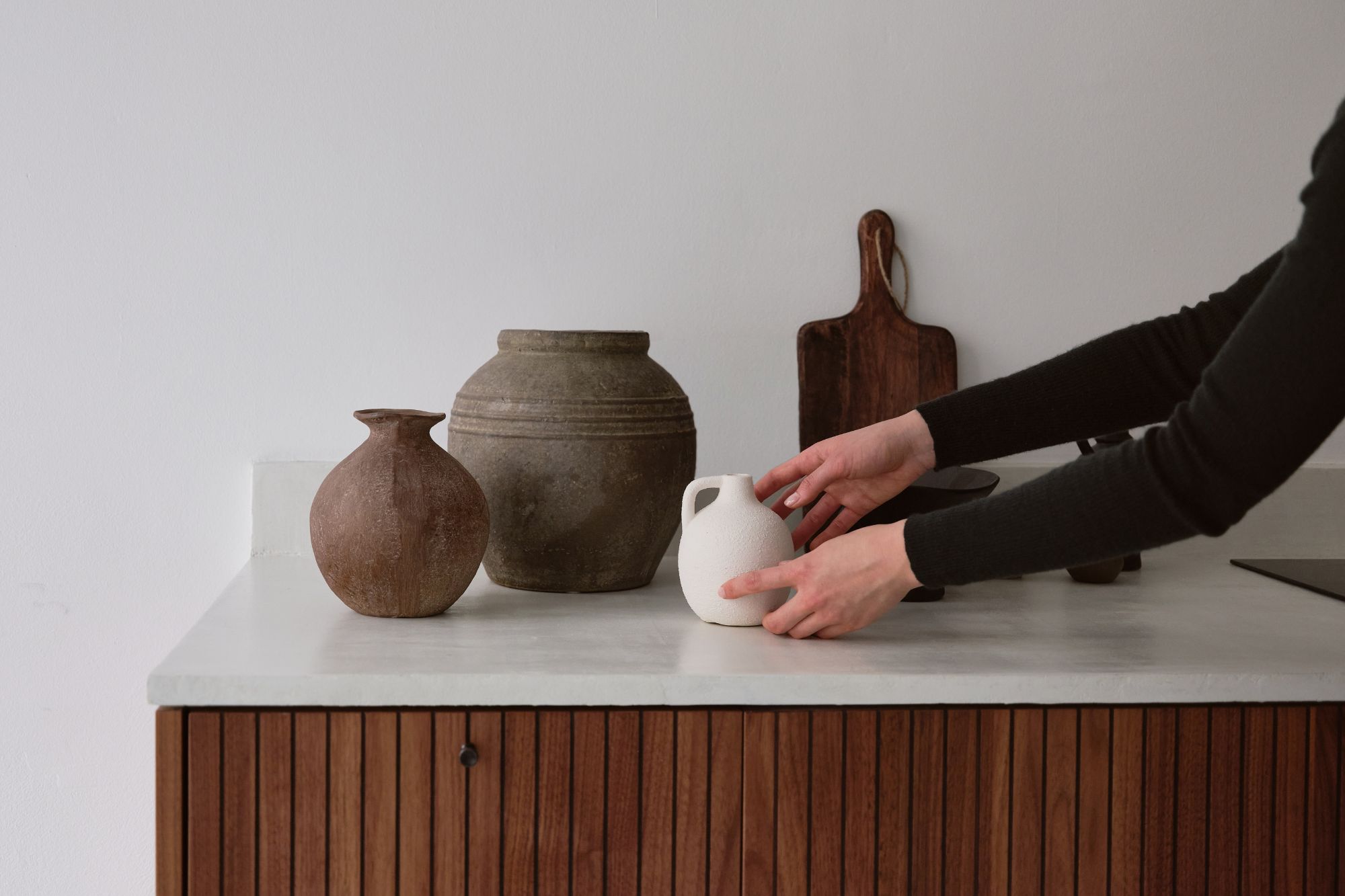
Design is a dialogue between who we are and who we’re becoming. When we shape our surroundings with intention, our environment becomes a partner in our growth.
Awareness as a Catalyst
Real change begins with awareness.
When we observe how our space makes us feel - what brings calm, what drains energy, we reconnect with ourselves.
Design becomes a tool for mindfulness, helping us notice invisible patterns and reshape them with intention.
When we observe how our space makes us feel - what brings calm, what drains energy, we reconnect with ourselves.
Design becomes a tool for mindfulness, helping us notice invisible patterns and reshape them with intention.
The Dialogue between Self and Space
Our environment constantly reflects our inner world.
When we change one, the other responds.
Through thoughtful design choices - light, flow, balance - we start an ongoing conversation between who we are and where we are.
This dialogue becomes the foundation of sustainable transformation.
When we change one, the other responds.
Through thoughtful design choices - light, flow, balance - we start an ongoing conversation between who we are and where we are.
This dialogue becomes the foundation of sustainable transformation.
Living Design
Transformation doesn’t end when a room is complete.
It continues as we grow, evolve, and redefine what home means.
A well-designed space adapts with you: supporting new goals, emotions, and ways of being.
It’s not a fixed result, but a living environment that evolves alongside your life.
It continues as we grow, evolve, and redefine what home means.
A well-designed space adapts with you: supporting new goals, emotions, and ways of being.
It’s not a fixed result, but a living environment that evolves alongside your life.
4R Method
A cycle of change designed to bring clarity, balance, and depth to your life and space.
.jpg)
01
Release
This step creates immediate mental and visual relief, making space for better decisions.
Clear what’s not supporting you.
Notice what feels off in your space.
Remove, move, or reduce the elements that create friction, distraction, or pressure.
Clear what’s not supporting you.
Notice what feels off in your space.
Remove, move, or reduce the elements that create friction, distraction, or pressure.
.jpg)
02
Reorient
This step turns your space into something that works with you, not against you.
Shift your space to match how you function.
Focus on placement, access, and ease of use.
Reorganize what stays so it supports your natural habits, energy, and daily flow.
Shift your space to match how you function.
Focus on placement, access, and ease of use.
Reorganize what stays so it supports your natural habits, energy, and daily flow.
.jpg)
03
Root
This step builds stability, so the space continues to support you over time.
Lock in what works.
Strengthen the changes that feel right.
Add consistency through small, repeatable setups that support your routines.
Lock in what works.
Strengthen the changes that feel right.
Add consistency through small, repeatable setups that support your routines.
.jpg)
04
Repeat
This step keeps your space relevant, flexible, and aligned with you.
Refine as your life changes.
Your needs, routines, and priorities shift.
Revisit the process when something feels off or when life moves forward.
Refine as your life changes.
Your needs, routines, and priorities shift.
Revisit the process when something feels off or when life moves forward.
ready
to start
Every change begins with a single step. Choose yours and start designing a life that feels like you.
%20(18).jpg)